Orkney’s Winged Wonders: A Paradise for Birdwatchers
The wind sweeps across Orkney's dramatic coastlines, carrying with it the cacophony of thousands of seabirds. Their calls—from the haunting cry of the curlew to the distinctive "kittiwake" of their namesake—form the natural soundtrack of these islands. For centuries, Orcadians have lived their lives to this avian chorus, a reminder of the extraordinary biodiversity that makes our archipelago one of Europe's premier birdwatching destinations.
Orkney’s position at the crossroads of the North Atlantic and North Sea creates a perfect storm of conditions for bird life to flourish. Our islands offer a mosaic of habitats—towering sea cliffs, sweeping moorlands, sheltered inlets, and freshwater lochs—each supporting its own community of feathered residents and visitors.
Puffin – Photo by Graham Campbell
Seabird Cities: The Coastal Spectacle
Perhaps most famous are Orkney’s seabird colonies, where thousands of birds return each spring to breed on our precipitous cliffs. Marwick Head, the cliffs of Hoy, and the RSPB reserve at Noup Head on Westray transform into bustling vertical cities during the breeding season.
Here, guillemots stand shoulder to shoulder on narrow ledges, their eggs precariously balanced. Razorbills, with their distinctive black and white plumage and thick bills, nest in crevices nearby. The comical puffins—or “tammie norries” as they’re affectionately known locally—dig burrows at the cliff tops, emerging with beaks full of sand eels for their hungry chicks.
The sheer scale of these gatherings is breathtaking. At the height of summer, the air is filled with wheeling fulmars, their stiff-winged flight distinctive against the blue sky. Kittiwakes plaster their nests to seemingly impossible positions on the cliff face, while great skuas (known locally as “bonxies”) patrol the skies, their predatory presence keeping other seabirds alert.
Puffins at Marwick Head – photo by Johanna Pieterman
Wetland Wonders
Away from the coast, Orkney’s wetlands and lochs host their own impressive array of species. The RSPB reserve at The Loons and Loch of Banks offers excellent viewing facilities to observe breeding waders like redshank, snipe, and lapwing. Their elaborate display flights and calls bring the marshes to life each spring.
The shallow waters of lochs across the islands attract migratory wildfowl, with whooper swans arriving from Iceland each autumn, their trumpeting calls announcing the changing seasons. Teal, wigeon, and goldeneye ducks gather in sheltered bays, while the distinctive silhouette of a hen harrier might be glimpsed quartering the marshes at dusk.
Islands in Harray Loch – photo by Johanna PietermanMute Swans – photo by Graham Campbell
Rare Treasures
For the dedicated birdwatcher, Orkney offers the chance to spot some genuine rarities. North Ronaldsay, our northernmost island, has gained fame for attracting unusual migrants, particularly during spring and autumn passage. The island’s bird observatory has recorded numerous first sightings for Britain, drawing enthusiasts from across the world hoping to add to their life lists.
The corncrake, once common throughout Britain but now restricted to a few strongholds, can still be heard on some of our islands. Their distinctive “crex-crex” call carries across summer meadows at dusk—a sound that has all but disappeared from much of their former range.
White-tailed eagles, reintroduced to Scotland in recent decades, are increasingly seen soaring over Orkney waters. These magnificent birds, with wingspans approaching 2.5 meters, represent a conservation success story and add another dimension to our already rich avian tapestry.
Sea cliffs at Yesnaby – Photo by Graham Campbell
Living with Birds: The Cultural Connection
Birds have always been woven into Orcadian culture. Traditional folk tales speak of selkies and finmen, but equally important were the “bird men” who harvested seabird eggs from the cliffs using nothing but rope and courage. This dangerous practice provided valuable protein during lean times and demonstrates the historical importance of seabirds to island survival.
Place names across the islands reflect this close relationship—Fulmars Geo, Cormorant Nook, Erne Ness (erne being an old name for sea eagle)—mapping the landscape through its birdlife. Even today, the agricultural calendar acknowledges the rhythm of bird migrations, with farmers noting the arrival of the first skylarks as a traditional signal for spring planting.
When to Visit
While Orkney offers excellent birdwatching year-round, certain seasons bring particular highlights:
Spring (April-June): Witness the spectacle of seabird colonies at their peak, with thousands of birds returning to breed. The cacophony and activity are simply unforgettable.
Summer: Enjoy long daylight hours perfect for spotting breeding waders and watching seabirds feeding their young.
Autumn (September-October): Look for migratory birds passing through, particularly on North Ronaldsay and other outer isles. Geese begin arriving from Arctic breeding grounds.
Winter: Experience the drama of whooper swans and thousands of overwintering geese. The short days concentrate feeding activity, making birds easier to observe.
Responsible Birdwatching
As visitors to these special habitats, we ask that you follow a few simple guidelines to ensure our feathered residents remain undisturbed:
Keep a respectful distance from nesting birds
Stay on marked paths, particularly in reserve areas
Consider joining guided walks led by local experts
Support conservation efforts through visiting RSPB reserves
Orkney’s birds have adapted to the challenges of island life—the fierce winds, salt spray, and changing seasons. They represent the wild spirit of these islands, a living link between sea, sky, and land. Whether you’re an experienced ornithologist or simply someone who appreciates natural beauty, the birds of Orkney offer a connection to something ancient and enduring—the timeless rhythm of wings against the wind.
As one local saying goes: “In Orkney, even if you forget your binoculars, the birds will find you.” Come and discover the truth of these words for yourself.
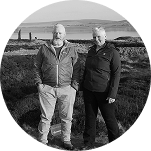
Margaret and Davey are passionate Orkney locals and experienced tour guides who love sharing the beauty, history, and culture of the Orkney Islands with visitors from around the world. With their deep knowledge and warm hospitality, they ensure every tour is unforgettable. Learn more about margaret and davey
Explore Orkney Your Way
Whether you’re visiting for a day or planning a longer stay, Orkney Unlimited offers a range of tours to suit your interests and schedule. Travel in comfort in our 8-seater vehicle and let us guide you through Orkney’s most iconic sites and hidden gems.
Want to explore these hidden gems with a local guide?
Book a bespoke tour with Orkney Unlimited and let us take you off the beaten path.
Perfect for day visitors or cruise ship passengers. Includes stops at the Italian Chapel, Standing Stones of Stenness, Skara Brae, and more.
Full-Day Highlights Tour (Customizable)
A comprehensive journey through Orkney’s top attractions, including Maeshowe, Ring of Brodgar, and Brough of Birsay.
Bespoke Tours
Tailored to your preferences, from Neolithic heritage to scenic coastal drives, Viking history, or food and drink experiences.
This site uses cookies for analytics and to improve your experience. By clicking Accept, you consent to our use of cookies. Learn more in our privacy policy.