Orkney is a treasure trove of Neolithic history, with some of the best-preserved ancient sites in the world. In this post, we'll take you on a journey through must-see Neolithic sites that showcase the rich history and culture of the islands.
This remarkably well-preserved Neolithic settlement dates back over 5,000 years, making it older than Stonehenge and the Great Pyramids. The stone-built houses with their original furniture offer an unprecedented glimpse into daily life in Neolithic Orkney.
Why visit?
See Europe’s most complete Neolithic village
Explore original stone furniture, beds, and dressers
Experience a UNESCO World Heritage Site
Ring of Brodgar
Ring of Brodgar
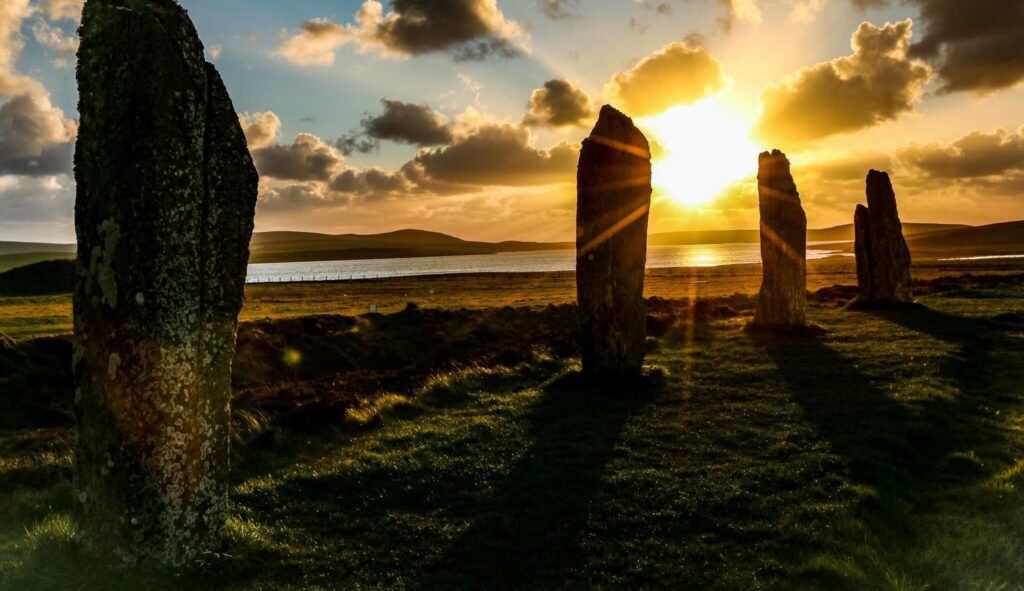
This impressive stone circle consists of 27 standing stones (originally 60) and is one of the largest Neolithic henges in Britain. Set in a natural amphitheater, it’s part of the Heart of Neolithic Orkney World Heritage Site.
Why visit?
Walk among stones that have stood for over 4,000 years
Experience the astronomical alignment of the circle
Enjoy the spectacular landscape setting
Maeshowe
This extraordinary chambered cairn is considered one of Europe’s finest examples of Neolithic architecture. Its entrance passage is perfectly aligned to receive the setting sun during the winter solstice.
Why visit?
Marvel at the precision of Neolithic engineering
See Viking runic inscriptions inside the tomb
Experience the winter solstice alignment (if timing permits)
Standing Stones of Stenness
Standing Stones of Stenness
Among the oldest stone circles in Britain, these massive stones (up to 6m tall) date to around 3100 BCE. Though only four stones remain standing, their scale and setting remain impressive.
Why visit?
Experience one of the earliest stone circles in Britain
See the nearby Watchstone and Barnhouse Stone
Understand the ritual landscape connecting to nearby sites
Conclusion
Orkney’s Neolithic sites offer an unparalleled window into the lives, beliefs, and achievements of people who lived over 5,000 years ago. The remarkable preservation and concentration of these monuments make Orkney one of the world’s most important prehistoric landscapes.
Margaret and Davey are passionate Orkney locals and experienced tour guides who love sharing the beauty, history, and culture of the Orkney Islands with visitors from around the world. With their deep knowledge and warm hospitality, they ensure every tour is unforgettable. Learn more about margaret and davey
Explore Orkney Your Way
Whether you’re visiting for a day or planning a longer stay, Orkney Unlimited offers a range of tours to suit your interests and schedule. Travel in comfort in our 8-seater vehicle and let us guide you through Orkney’s most iconic sites and hidden gems.
Want to explore these hidden gems with a local guide?
Book a bespoke tour with Orkney Unlimited and let us take you off the beaten path.
Perfect for day visitors or cruise ship passengers. Includes stops at the Italian Chapel, Standing Stones of Stenness, Skara Brae, and more.
Full-Day Highlights Tour (Customizable)
A comprehensive journey through Orkney’s top attractions, including Maeshowe, Ring of Brodgar, and Brough of Birsay.
Bespoke Tours
Tailored to your preferences, from Neolithic heritage to scenic coastal drives, Viking history, or food and drink experiences.
This site uses cookies for analytics and to improve your experience. By clicking Accept, you consent to our use of cookies. Learn more in our privacy policy.